When a panic attack hits, it can feel like you’re losing control — your heart races, breathing becomes shallow, your chest tightens, and everything around you may seem surreal or overwhelming. This isn’t “just in your head” — it’s your nervous system going into high alert, flooding your body with stress hormones like adrenaline and cortisol.
The good news? You’re not powerless. You have a secret built-in superpower: your vagus nerve.
What’s the Vagus Nerve, and Why Does It Matter?
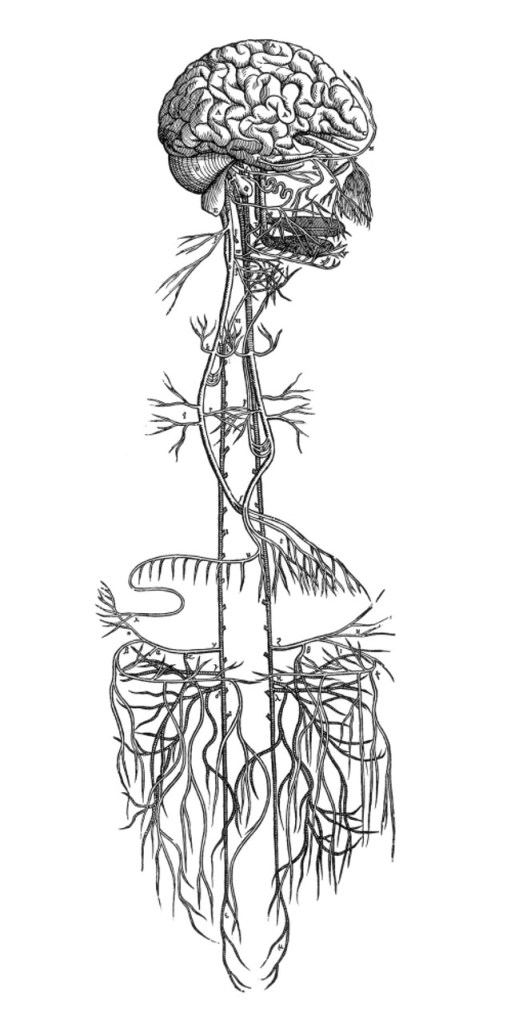
The vagus nerve is the longest cranial nerve in your body, running from your brainstem all the way to your gut. It plays a major role in calming your nervous system after stress. Think of it like your body’s “rest and digest” switch — when activated, it signals your heart to slow down, digestion to kick in, and your mind to find peace again.
The trick? Learning how to stimulate the vagus nerve on purpose — especially during moments of panic or anxiety.
Here Are 10 Powerful Vagus Nerve Calming Techniques:
You don’t need special equipment. You don’t need to be a yogi. These are simple, research-supported ways to help your body come back to safety.

1. EFT Tapping
Tap gently on key acupressure points while saying calming phrases like “I am safe.” This sends reassuring signals through the nervous system.
2. Box Breathing
Inhale for 4 seconds, hold for 4, exhale for 4, hold for 4. This rhythmic breathing engages the parasympathetic nervous system and slows down racing thoughts.
3. Cold Water Rinse or Splash
Splash your face or neck with cold water. It activates the “diving reflex,” slowing heart rate and calming the body quickly.
4. Low-Tone Humming or Singing
The vibrations created by humming stimulate the vagus nerve and naturally regulate your breath and heartbeat.
5. Listening to Calming Music
Try 528 Hz frequencies or soft instrumentals. Music can be a direct line to emotional regulation.
6. 5-4-3-2-1 Grounding
Engage your senses: Name 5 things you see, 4 you can touch, 3 you hear, 2 you smell, 1 you taste. This brings you back into your body and away from spiraling thoughts.
7. Butterfly Hug
Cross your arms over your chest and gently tap your shoulders alternately. It’s a self-soothing method often used in trauma therapy.
8. Gentle Neck Stretches
Slowly tilt your head from side to side and forward/back. This helps release tension in areas where the vagus nerve travels.
9. Affirmation + Deep Touch
Place your hand on your heart or belly and say, “I am safe. This will pass.” The physical touch grounds you, while the words rewire the mind. Here are my faves: Anchor Your Mind: Why Affirmations Work When Anxiety Takes Over
10. Sipping Warm Herbal Tea
Herbal teas like chamomile or lemon balm stimulate digestion — a sign your vagus nerve is active. Plus, warm beverages are naturally soothing.
You don’t have to wait for a panic attack to start these — in fact, the more you practice them when you feel okay, the easier it becomes to access them when anxiety flares up. The vagus nerve is your body’s secret ally, and with these 10 tools, you can start building a calmer, more resilient connection between brain and body. Save this post, print it out, or screenshot your favorite technique. Because the next time anxiety rises, you’ll know exactly what to do — and that alone is powerful.
Stay Balanced,




 Brain Body Bestie
Leave a comment