Your vagus nerve is like the secret superhighway connecting your brain and body. It controls digestion, heart rate, mood, and even inflammation. When it’s out of balance, your body starts waving red flags.
For a long time, I lived in a dissociated state, disconnected from my body and unaware that these subtle symptoms were signals of dysregulation. It wasn’t until I began learning about the vagus nerve and tracking these patterns in myself that I realized what was happening. These signs became my check-in points. They helped me identify when I was sliding into a stress response and empowered me to course-correct with tools that really work.
Here are 7 signs your vagus nerve may be dysregulated — and what you can do to support it.
1. Anxiety A dysregulated vagus nerve can keep your body stuck in “fight or flight.” You may feel constant worry, tension, or panic.
What to Do: Try daily box breathing (inhale 4 sec, hold 4, exhale 4, hold 4) or EFT tapping to signal safety to your nervous system.
2. Brain Fog Poor vagal tone can slow communication between your brain and body, leaving you feeling foggy and forgetful.
What to Do: Practice cold exposure like a cold face splash or shower, followed by humming or singing to activate the vagus nerve.
3. Digestive Issues The vagus nerve plays a key role in digestion. Bloating, IBS, or sluggish bowels are common signs.
What to Do: Incorporate mindful eating, chew slowly, and stimulate digestion with bitter herbs like ginger or lemon water.
4. Chronic Inflammation A poorly functioning vagus nerve can result in systemic inflammation, often showing up as joint pain or skin flare-ups.
What to Do: Prioritize restorative sleep, gentle yoga, and anti-inflammatory foods like turmeric, berries, and leafy greens.
5. Fatigue Low vagal tone can interfere with your body’s ability to recover and regulate energy.
What to Do: Support your circadian rhythm with sunlight first thing in the morning and consistent sleep/wake times.
6. Heart Palpitations The vagus nerve helps regulate heart rhythm. If it’s out of balance, you may feel fluttering or racing in your chest.
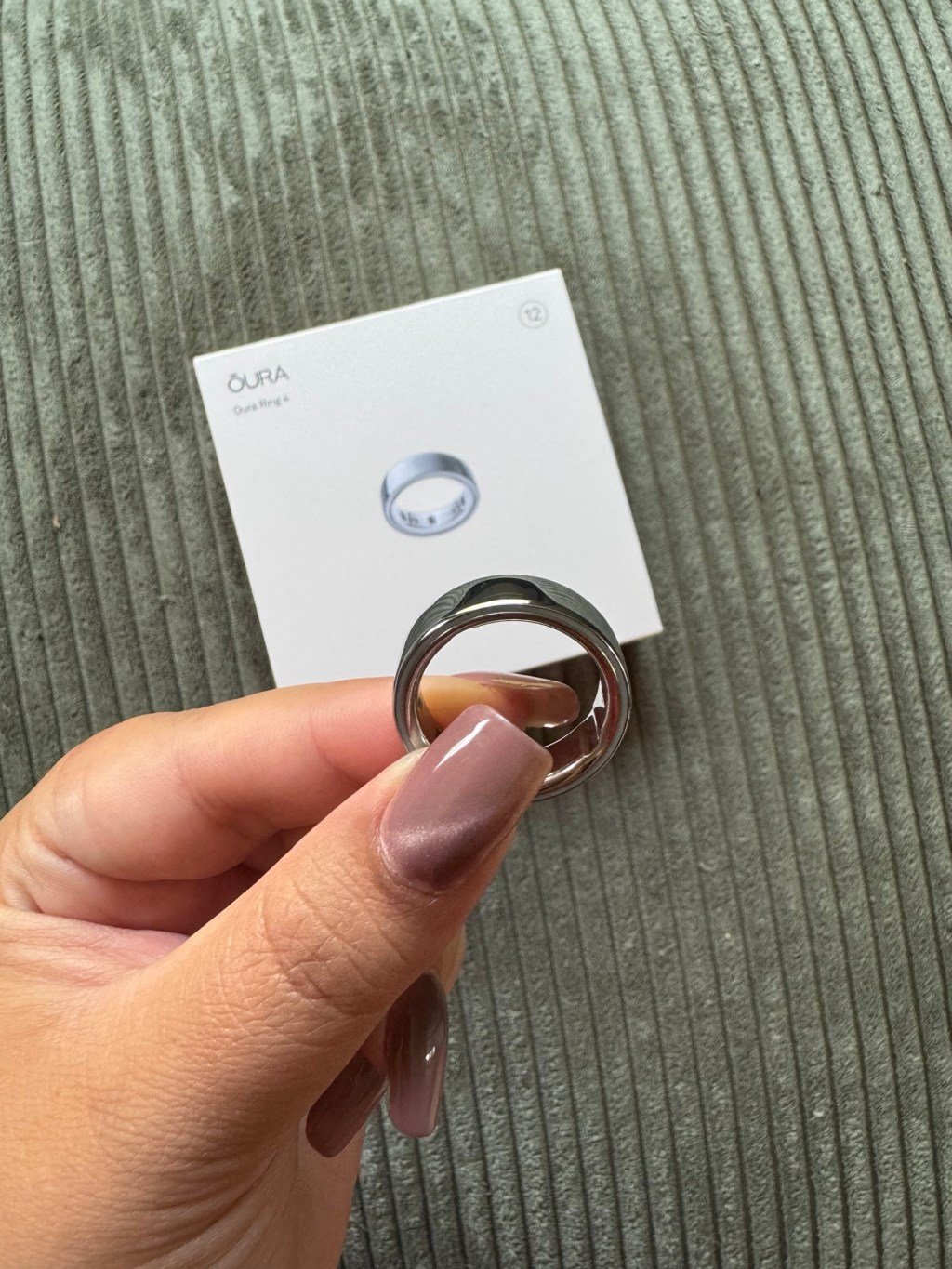
What to Do: Practice slow exhalation breathing (exhale longer than you inhale) and consider wearing a HRV tracker to monitor patterns.
7. Depressed Mood Mood disorders are often linked to vagus nerve dysfunction, as it affects both serotonin production and gut health.
What to Do: Try somatic healing practices like gentle movement, grounding, or vagus nerve stimulation tools like red light therapy.
Tuning into your vagus nerve isn’t just about stress relief — it’s about re-aligning your entire mind-body system. These gentle shifts help you regulate more often and reconnect with self, no Snickers bar needed!
Deep Breathes,






Leave a Reply